• Home
  • Contact
  • About Me
    • Publications
    • Books
  • Bell, Clock and Candle (Elessa)
    • The Nowhere Bird (Bell, Clock and Candle #1)
  • ALKIMIA FABLES

Elliott Dunstan

  • Home
  • Contact
  • About Me
    • Publications
    • Books
  • Bell, Clock and Candle (Elessa)
    • The Nowhere Bird (Bell, Clock and Candle #1)
  • ALKIMIA FABLES
  • CQC: Five Things I Learned From My First Garden Season

    November 2nd, 2021

    Like most people this pandemic, I’ve been trapped inside with only my partner, my thoughts and an Internet connection to keep me together over a long nearly-two years. In some ways, this has been a blessing. Well, not really. But the bottlenecking of life for everyone, instead of just me, has resulted in some fresh opportunities to try out new hobbies and really give them a shot — instead of my normal ADHD-fueled day or two of enjoyment before I forget it ever existed.

    So, I finally decided to try out gardening.

    I’ve done some gardening before. But when I say it’s not much, I really mean not much. I can’t tell a hosta from a marigold, and worms give me the willies. Still, someone who cooks as much as I do can’t pass up on the opportunity, and when the farm who does my community-shared agriculture program (Roots Down) offered seedlings, I decided to go for it. I acquired a cherry tomato plant, basil, jalapeno, stevia, cilantro and mint from them. Later on in the summer, Just Food held a free seedlings program, and my partner and I added lavender, sage, cucumber, celery, sweet bell pepper and cauliflower to our little pot garden on our front porch.

    Keep in mind: I have never gardened on my own before. All my experience is with my grandmother, mother or father. Picking strawberries for fun during the summer does not amount to anything useful. So, here’s some stuff I learned. In a few cases, the hard way.

    1. Cucumbers Are Little Bitches.

    You heard me. You heard me! Cucumbers are little jerks of plants who get sick and die at the slightest breeze, can’t handle being wet any more than they can handle being dry, and manage to have leaves that are just as thorny as their vines. Prior to the cucumber, our only loss was the cilantro (which I’d at least already known was finicky) and some celery and onion to ravenous squirrels. But the cucumber plant is the only one of my plants to just give up the ghost on me.

    The culprit: leaf fungus. I’d love to claim I was being organic, but the truth is, I just haven’t had the money for anything industrial, so I’ve been trying to use household products. But after several weeks of standing outside shaking cinnamon and baking soda onto the leaves, only to watch the plant eventually shrivel and die anyway, I am officially declaring cucumbers the enemy. (It’s a shame I like eating them so much.) I’ll try again, maybe next year; but I will be fueled by spite.

    2. You Can Stick A Surprising Amount Of It In Your Mouth

    There’s a twofold lesson when growing plants you’re intending to eat. One, they always make less than you think they will. (Potted pepper plants yield peppers the size of your thumb, for example, although they are yummy.) And two… A lot more of them is edible than you think. For one, I thought stevia would only be edible through the complex process of drying and grinding the leaves. And I’m doing that too; but you can also make extract from the fresh leaves.

    And, genuinely: You can just chew on the leaves. Really. Once you chew through the leaf exterior, all the sweet sap ends up on your tongue and it is surprisingly delicious, once you get past all of the leaf taste. Then there’s the fact that cauliflower leaves are edible, which I only ended up googling after nearly hitting November with no sign of the actual cauliflower head. (So that’s why they’re so expensive…) And not only that. Pepper plants may not yield huge amounts of peppers each… but the leaves are edible too. And while lavender in general is not an edible plant, you can use the leaves for most of what you’d use the flowers for. Please don’t stick lavender in your mouth, though.

    This goes double for my propagation experiments: celery and onion. The celery seedling I got never quite managed to sprout stalks before the whole thing went mysteriously missing (… I suspect the local raccoons.) but I got plenty of celery leaves out of it, and oh man, they taste just like celery with less crunch. Onions are even better. I had one onion start sprouting, and so I stuck it in one of my extra pots outside, gave it some water and just… waited. Result: the equivalent of delicious green onion stalks, that kept growing back.

    3. Harvest with Care

    There’s a lot of herbalist guides to how much bark, leaves or otherwise you should take from any wild plant in order to make sure you’re not hurting it, and the same is true of potted plants. The onion I was talking about grew wonderfully… as long as I only took some of the green stalks at a time. One time, I took them all, and they never grew back the same way. The same is true of my stevia; while I still have plenty, I made the mistake of severing an entire stalk in such a way that the amputated stump was visible right up until harvest.

    This is tricky, too. I didn’t harvest my basil enough; and once it started flowering, the leaves (which are the tasty part) started getting all patchy and wilted. I think this is called ‘bolting’; either way, it was a bit disappointing, although the flowers are gorgeous and smell lovely. And my tomato plant needs to be cut back, otherwise the tomatoes themselves never ripen and the plant collapses under its own weight. Not only that, but if the tomatoes or peppers get too big on the plant, they start to split, or invite beetles to feast on them.

    All in all, part of the benefit of having plants around has been that I’m forced to go outside every day; and I’m also forced to use my spoils asap or otherwise prep them (drying, pickling, freezing, whatever), otherwise that’s not just a day wasted; it’s weeks of growth. It’s a pretty quick way to appreciate the value of food, and get a LOT better about not throwing food away if I can help it!

    4. Nothing Holds A Candle To Fresh Sage

    To be clear, the sage I’ve been growing is just normal garden sage, not white sage, which is endangered. But it is the sage found in things like stuffing, and I did not truly appreciate until now that it is the food of the gods. Sure, basil is good, mint is good, but sage is everything. Dried sage cannot truly compare. So I have been putting sage on EVERYTHING. Sage in butter. Sage on corn. Sage on squash. Sage in stews. Sage in gumbo. Sage on ham.

    It’s also the least needy of my plants, by far. My stevia liked to fall over; my basil, as described above, bolted; my pepper plants actually did fall over more than once because the peppers made them top heavy; the mint had to be moved into its own pot before it cannibalized the others like the greedyguts it is. Sage? Sage has just been chillin’ the whole time. Sage is easy.

    5. Squirrels Are The Devil

    If you don’t live somewhere with squirrels… well, actually, I’m curious where you do live, first of all. But most places have some sort of rodent or otherwise that loves vegetables. Here in Ottawa, we have squirrels, skunks and raccoons. They love our garbage, they love bird feeders…

    …and to my eternal woe, they apparently love green onions and celery. I mean, it’s kind of cute. I can only imagine them yanking up entire green onion stalks and running off with them in their mouths like dogs with giant sticks and bouncy tails. “I have found,” they declare, “the tastiest, most sulfur-y acorn in the universe.” But it shouldn’t be easier for me to grow the blasted things indoors. Four different times this year, I’ve propagated green onions or scallions from roots in cups of water with only the sunlight from a dirty window, and they’ve worked great, and then I’ve put them into actual soil outside, and three days later, the little bastards have run off with their new meal.

    I know, I know. There’s ways to deal with squirrels. One of the standbys is cayenne powder, but after I found out that it actually temporarily blinds them and hurts them like crazy, I couldn’t do it. I felt too bad. Putting them near my mint plant helped a little bit, but apparently the onion smell is too much of a temptation. For next year, I have chicken wire, but that’ll require using the actual ground, which involves chatting with my neighbours (and their dog, which is a different story. Dear puppy: please do not wreck my garden. Or pee on it.)

    So it’s not so much that they’re the devil. It’s just that if you’re planting things that are straight up vegetables like celery, onion, etc. then you have to be prepared for the fact that you’ve got a very hungry outdoor population who will probably beat you to them. For some people, that might be the goal. For me, I’m not holding it too much against them — but they had damn well better stay away from the cauliflower. It’s November, squirrels. Go to sleep. Shh. My cauliflower. Mine.

    6. Don’t Touch Strange Pretty Things (Bonus!)

    Not gonna lie, this one could actually have gone a lot worse for me. I was poking at my front lawn to see if any of our plants could go into the ground, and the field next to us is an empty lot right now, filled with this gorgeous plant that looks a bit like bamboo and rhubarb crossed together, about waist-high. “Surely,” I thought, “that must be something nice?”

    Yeah, I just heard all the Plant People inhale at once. I’m afraid it’s true. There was one in my front yard as well; Japanese knotweed, otherwise known as one of the most tenacious and bullshit invasive plants in North America. Knotweed isn’t bad to touch or otherwise toxic to humans (although its pollen is a pretty severe allergen) – in fact, it’s edible, although I’m too spiteful to try it — but it’s one of those plants that can regenerate and propagate itself from the tiniest scrap left behind, and creates a gigantic root system underneath it. In between caring for my potted (and remaining potted!) plants, then, I’ve been hacking away at the one in my front yard, trying to make it die and stay dead, without access to any industrial weedkiller.

    The other plant on my front lawn is actually on my porch. See, I keep my bike on the porch, and this vine growing up and around the porch is very fast-growing. Fast enough that I keep having to peel it out of my bike wheels, which is slightly terrifying. After my experience with the knotweed, I decided to take care of the vine for once and for all — and pulled a nearly six-foot-long root out of the side of the stairs.

    Oh boy.

    Also, I didn’t wear gloves. Every time I’d yanked it away from my bike, I hadn’t thought much of the tingling in my hands. I have allergies, I get itchy at random; it happens! Whoops. Turns out that gorgeous vine is Virginia Creeper. Very poisonous, and exudes a skin irritant. (No permanent harm done, but good thing I washed my hands each time, right?) So lesson learned, twice over! Always identify the plant. First. And invasive species are no joke. Virginia Creeper isn’t invasive, thankfully, just itchy and a nuisance, but knotweed is evil.

    If you’re an experienced gardener, or even just a medium one, you’re probably laughing at me. I’m okay with that. I’m learning, and while Google is my friend, a lot of this you don’t really process until you see it in action. But I’m looking forward to next year. While I don’t have the equipment to overwinter any of my plants, I’ve been keeping seeds where I can, and next year, I want to plant peppers and tomatoes again, sage, basil, and then also try some spinach, cilantro, string beans and maybe some eggplant. So wish me luck — and I’ll keep you updated!

  • Genrefvckery: The Smelling Fresh, Triumphant Diamonds in the Rough

    October 28th, 2021

    Back in late 2019, I went through a stint of stumbling across rarer songs on Spotify. I do this every now and again; it’s yielded surprisingly awesome results (including otherwise-popular musicians who just aren’t listened to through the platform, like Joerg Reiter). But nothing compares to The Smelling Fresh, a university bedroom recording project by Brian Yates and James Matthews that was quietly and independently released in 2012.

    First, the original album. ‘Grounded Skies’ is a Moody Blues-esque opening track, showcasing Yates’ voice and lyrical prowess paired with Matthews’s guitar work. The mixing on the whole album is wonky; the louder bits have static buzz where it hits the limits of their microphones, the vocals could be a bit louder… and it is a testament to the skill on display that it does not matter. ‘Touch the Ceiling’ is just as grand, and actually the original track I stumbled on – a fairly relaxed verse leads into a killer chorus that seems tailor-made to get people singing along.

    The influences on the album are clear, too; ‘Whoa Oh! She Go!’ is firmly in the arena of Blink-182, Bowling for Soup and early Sum 41 (and almost feels like it came through a time machine from 2005, in the best, most complimentary, most devotedly scene kid way possible). The reflective ‘Not the Same’, meanwhile, is heartbreaking and possibly Yates’s writing at its best – “It’s all the same/you told me you’ll never change/but I’m not the same/are you?” (Sobs into my T-shirt. It’s fine. I’m fine.) And the catchy ‘Daydreamer’ betrays some of their hidden but emerging jazz sensibilities underlying the pop-punk exterior, evoking both McFly and a little je ne sais quois. All through the album are the aches and worries of growing up and becoming “real” adults, both silly and serious, relationships and friendships, and even lifelong dreams – “I don’t wanna give up on my dreams at twenty-one,” is one of the most striking lines in Touch The Ceiling for its naked sincerity.

    Of course, this is an album from 2012. The Smelling Fresh was a one-off, a small collaboration between friends. Brian Yates did some EDM work, but currently works in software in North Carolina; James Matthews works in New Jersey, both of them far from Penn State where they created the album. When I contacted them about the album, they were both surprised to hear that it was still circulating; Yates even said that he’d strained his vocal cords a bit.

    So imagine my joy to hear, two years later, that They Fucking Did It.

    Please enjoy the second The Smelling Fresh release, ‘Colors’.

    If Grounded Skies was an amazing debut, Colors has – possibly through the sheer length of time between releases – completely avoided the sophomore curse. Every song on the EP takes the building blocks from Grounded Skies and builds upwards on it, leaning into aspects they shied away from on the first album. Where Grounded Skies suffered from quiet vocals and buzzing on higher/louder notes, Colors is crisp and clear; where Grounded Skies played lightly with but then veered from jazz influences, both the songs ‘Count On You’ and ‘The Smooth Interlude’ lean completely into it. In fact, ‘The Smooth Interlude’ is entirely instrumental, the kind of thing pop-punk/grunge outfits usually don’t have the guts to do until much later in their careers (or the skill to pull off, which TSF does in grand style!). The bouncy bridge in ‘Count On You’ is slick and cool, which sounds ridiculous to say about music, but it’s the best words coming to mind — and it’s well balanced out by the crunchier guitar and soaring riffs on ‘Colors’ and ‘Fade Away’.

    The lyrics, however, are another level of awesome. As mentioned above, Yates and Matthews weren’t even in the same state; whether they made this through long-distance or got together in person to make the album, I don’t know, but the lyrics in the whole album are about the importance and value of long-term friendships, reminiscing on older times and rekindling things once thought lost. Especially together with the first album’s fear of the rapidly-approaching future, it’s hard not to feel the joy coming off of every song. ‘Laughing At Ourselves’ says, “We found our way through the storms with our lights on bright and never looking back… When we were younger we had no fear of the end, like the last song we sang of the summer,” and ‘Count on You’ follows it up with “this time I won’t take for granted, you’re still on my mind/we’ll make the most of the days we have left, all the precious time”.

    I dearly hope — and almost expect, at least if anybody has any sense — that this second EP will be what gets The Smelling Fresh some radio play or at least some attention. If you don’t believe me, take a listen for yourself – and let’s raise a glass to one of the sweet successes of an otherwise-grisly two years. I’m hoping there’ll be a third album, but even if there isn’t, this is a hell of a triumphant return.

    Stream The Smelling Fresh on Spotify today!

  • Chaos Queer Cooking: Hot and Sour Borscht Experiment

    October 12th, 2021

    [Quick note: none of the photographs below are mine. They are all public domain/free-to-use; but if you’re wondering why not just take pictures of my own vegetables, the answer is simply that I don’t have the right conditions to take accurate, helpful photographs of things at the moment! Hopefully that’ll soon change, but for the situation of ‘making sure you can identify what I’m talking about’, sourced images will suffice.]

    Hello all! It’s been a while since I’ve done one of these; truthfully, I got a bit tied up in trying to deliver ‘tested’ recipes and realized that that’s not really what I’m suited for at the moment. So instead, here’s a record of one of my culinary experiments; what worked, what didn’t, and what I’m planning on trying next.

    First things first: Borscht. Borscht is ‘beetroot soup’ – a soup from Eastern/Southern Europe, particularly the Ukraine and Russia, with beets, red or green cabbage, tomatoes, and often beans or beef. There are all sorts of variations on borscht, but at the same time, there’s a lot of consistent elements to it, as well; it’s served with sour cream, almost always stays simple, and relies heavily on red wine vinegar, dill and paprika.

    Now, don’t get me wrong, I love borscht. But borscht is also, well… It’s either simple, or it is so strongly dill-y that you might as well have a dill pickle. It’s also a little exhausting how few things there ever seem to be to do with beets! Beetroots aren’t a rare enough vegetable to have borscht be the only thing that ever comes up. So, I set out to “jazz up” borscht, not because borscht isn’t good, but because I need more to do with beets in general.

    Ingredients

    I’m a subscriber to a community-shared agriculture box that I get biweekly, which means I always have a strange and fun assortment of vegetables on hand. On top of that, I’ve been slowly acquiring more and more dried ingredients, which are always pretty handy. Because of this, I decided to go vegetarian (well… mostly) for this one. The veg ingredients for this soup included:

    Beetroot (obviously)

    Photograph of a beetroot half-out of the ground.
    Pxfuel sourced | Used for demonstrative/educational purposes.

    Tomatillo

    Tomatillo - Wikipedia
    Wikipedia sourced | Used for demonstrative/educational purposes.

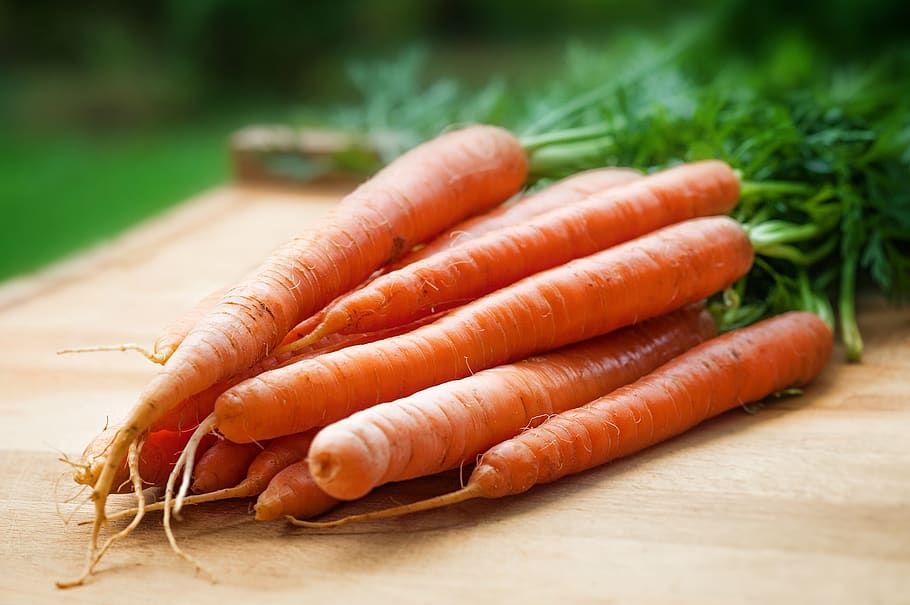
    Carrot

    orange, vegetable, carrot, food, healthy, food and drink, root vegetable, healthy eating, freshness, wellbeing
    Pxfuel sourced | Used for demonstrative/educational purposes.

    Bell pepper

    Bell Pepper Sweet Capsicum - Free photo on Pixabay
    Pixabay sourced | Used for demonstrative/educational purposes.

    Celery

    File:Celery 2.jpg - Wikimedia Commons
    Wikimedia sourced | Used for demonstrative/educational purposes.

    Tomato sauce

    No Name Tomato Sauce, 680 mL – Sholo Club
    680 ml; NoName Brand but brand itself doesn’t matter as long as it’s simple. Homemade is great too!

    Dried ingredients and seasonings included:

    Dried chilies

    File:Dry Chili pepper.jpg - Wikimedia Commons
    When adding the dried chilies, snap them in half and shake/tap them to get the seeds out.

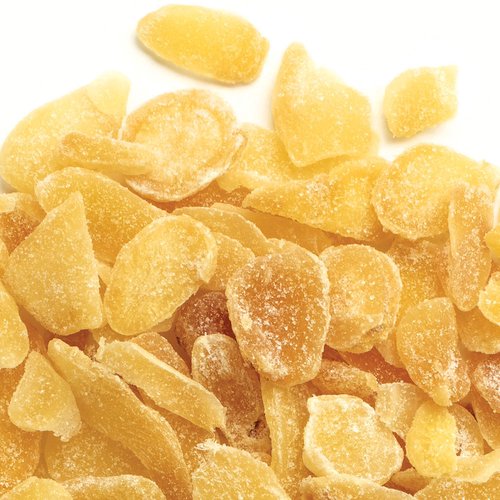
    Crystallized ginger (in lieu of fresh)

    Ginger - Crystallized Slices, Bulk
    Fresh sliced ginger should substitute fine, and minced jarred ginger I would just add a step or two later. (Ginger powder does NOT substitute.)

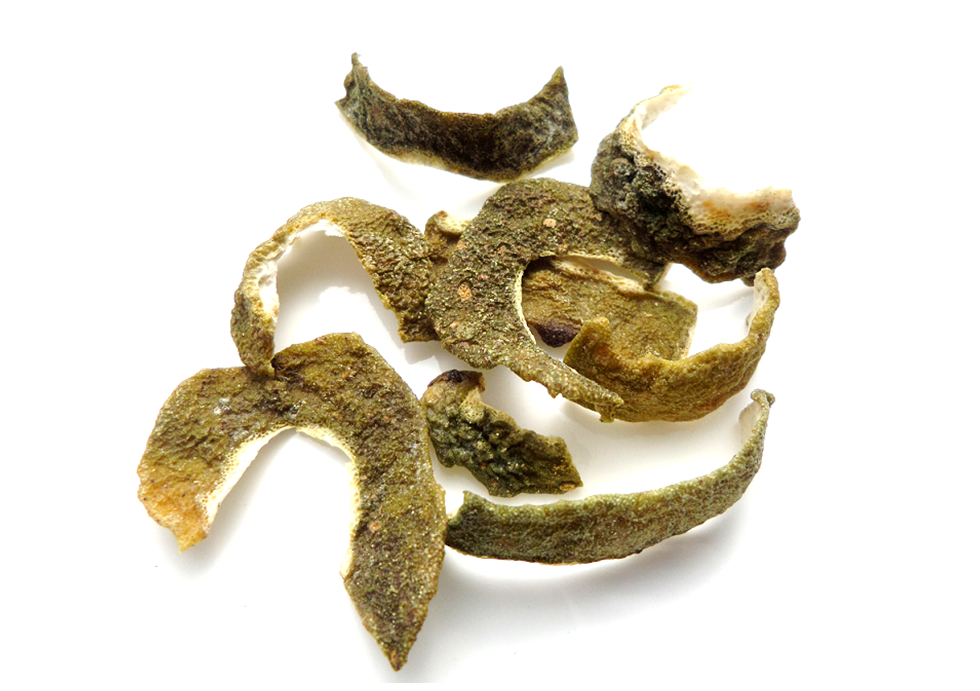
    Dried lime peel

    Dried kaffir lime peels
    You can use dried lemon or orange peel as well, but if you use orange, it’ll taste a little different. I would not recommend substituting fresh zest. (It’s much stronger.)

    Cinnamon stick

    File:Cinnamomum verum spices.jpg - Wikimedia Commons
    If you don’t have sticks of cinnamon, add the cinnamon later (with the other ground spices) and use 1/2-1 teaspoon for 1/2 a cinnamon stick.

    Star anise

    File:Star Anise Series (4297746909).jpg - Wikimedia Commons
    If you don’t have star anise, you can either skip it, or add anise or fennel seeds.

    Red wine

    Red wine - Wikipedia
    Use cooking red wine if you can! You don’t want to use anything nice for this, but if you don’t have red wine, then sherry, beer or even a bit of red wine vinegar (careful!) will do. If you use red wine vinegar in this recipe, though, definitely try to balance out some of the other sour notes. Maybe leave out the lime peel, and use fewer tomatillos… Or just go for it and call it a Sour Kidz soup.

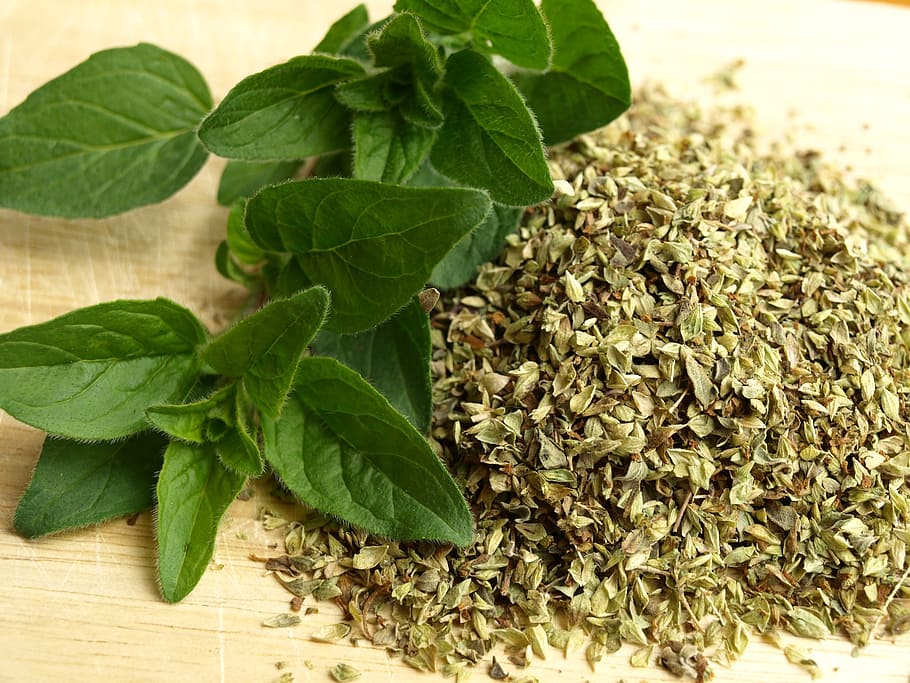
    Oregano

    Royalty-free dry season photos free download | Pxfuel
    Pxfuel sourced | Used for demonstrative/educational purposes

    Cumin

    File:Cumin-spice.jpg - Wikimedia Commons
    If you have whole instead of ground cumin, no worries; just put the cumin in at the beginning with the cinnamon, star anise, etc. A 3/4 teaspoon of ground cumin is equivalent to about a teaspoon of cumin seeds.

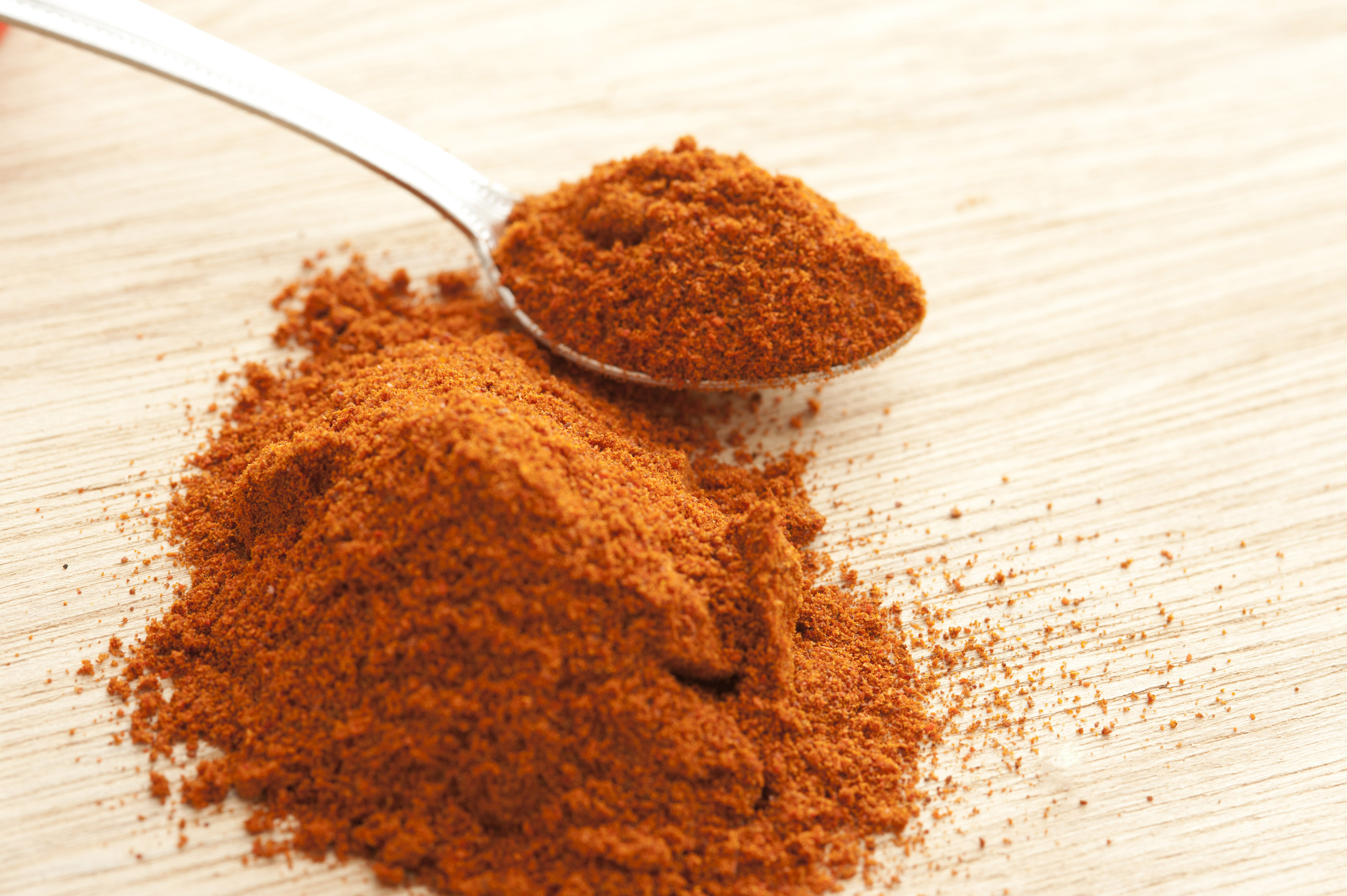
    Paprika

    Free Stock Photo 17249 Spoonful of ground dried paprika spice |  freeimageslive
    I used normal, everyday paprika in this; if yours says ‘smoked paprika’ it may taste quite different (and stronger) so keep that in mind!

    Dill

    Dill | Dill has a fresh, distinctive aroma that is especiall… | Flickr
    Fresh dill is much stronger than dried; if you have fresh dill, keep in mind that a little will go a long way.

    Garlic powder

    File:Garlic Powder, Penzeys Spices, Arlington Heights MA.jpg - Wikimedia  Commons
    Minced garlic is also fine here, and I’d add about 2-3 teaspoons probably just before the red wine; same with freshly chopped garlic, or roasted garlic as suggested in the notes at the end.

    Sugar, salt and black pepper

    Method to the Madness

    If you’re looking at this list going “what on earth? what kind of soup is this?” well, good news, I have no idea either! But the inspiration comes from multiple places. The mix of star anise, dried lime peel, cinnamon stick, ginger and chili comes from Woks of Life and their braised beef recipe, which I’ve been using as a stew base for a while now. The spice combination is delicious, and easily modifiable; it’s also delicious with Sichuan peppercorn, clove, bay leaf, and others, but I knew too much spice would overload this soup (as it was, actually, it was VERY strong.). The combination of celery, garlic, ginger, poblano and oregano is Caribbean; it’s a combination of the indispensable base ingredients of gumbo, sans okra, (celery, garlic, ginger and pepper) with some of the herbs found in green seasoning; this time just oregano, cumin and the dried chili, but thyme would also go extremely well in this. I cut down the spice list from each so that the soup wasn’t overwhelmed, and narrowed it to the ones that are common or at least complement each other – for example, there’s no sesame oil or soy sauce in this, and neither is there any coconut milk, although I do have that marked as a potential to try another time.

    Finally, of course, dill and paprika are both essential to borscht and go very well with all of these! If I’d had cilantro on hand, I would have added some at the end to round it out with the tomatillos, but trying to keep cilantro on hand is a nightmare.

    Process

    Next step: how was I going to cook it? I like beets a lot, but the process of boiling them is a hassle – and, plus, sometimes nailing the texture for boiled veg is a crapshoot. So I decided to roast the veggies first for roasted vegetable soup. The good news was I could do them all at once – AND because I was putting them in the soup afterwards, I didn’t have to season them.

    I used:

    2 beetroot, peeled, topped and tailed, chopped into 1/4 inch chunks

    3 small carrots, peeled and chopped

    4 tomatillos, husked and halved

    2 bell peppers, roughly chopped

    spread over a baking pan and tossed with olive oil, cooked on the top rack of a 375 degree oven for 50 minutes. The results will be slightly undercooked, which is what you want.

    A little while later, just before the oven went off, I put a little bit of canola oil in the bottom of a stockpot over medium-low heat and gently fried:

    2 small pieces of dried lime peel

    1/2 stick of cinnamon

    1 piece of star anise

    2 pieces of crystallized ginger, snapped in half

    2 dried chilies, snapped in half and deseeded

    1 stalk of celery, sliced into small pieces

    Once it was sizzling (about 1-2 minutes), I added a splash of red wine (maybe 1/8-1/4 cup?) and let the alcohol cook off for a minute more, then added 2 cups of hot water. (Note: While the end result was good, this is where I think I should have added more! If you’re cooking along with the instructions, this is a good point to take a look and consider if you want to add more liquid. You can add more later, too.) I also added 2 tsp of chicken bouillon powder, so if you have good chicken or beef stock, it should substitute in fine.

    Once the oven went off, I took out my roasted veg, and once the stock was boiling, put them into the pot. The roasted tomatilloes in particular were already soft, and basically melted in the soup (delicious, by the way). I let them cook for about five more minutes, which made sure they were cooked through. Then I added about half a tin of tomato sauce, which thickened up the soup, and the rest of my spices – oregano, paprika, garlic powder, dill, cumin, sugar and a touch of salt. These are the kind of thing you’ll want to mostly do to taste, but roughly speaking, you’ll want a decent amount of sugar (tomatilloes are quite sour, and that plus the red wine + chilies means you want a bit more sweetness to help the beets balance it out); I put in 1/4 cup or so. I also used a decent amount of dill and paprika, probably about 1/2 tablespoon each, with the corollary that my dill is rather old and may be a bit lacking in kick. (My paprika isn’t. I just really like paprika.) For oregano and cumin you want to go a little lighter, maybe a teaspoon or half teaspoon each; garlic powder it really depends how much you like garlic. I have a shaker so I just went ‘shake shake shake’ and that was the end of it. I also, in retrospect, would have put some garlic cloves into the roasted veg tray for some roasted garlic cloves; that would be delicious, and next time I try this soup, I’ll definitely go for it. And salt, of course, relies on the tomato sauce you used, the bouillon, etc.

    After that, I let it cook down on very low heat for a while, then served it with brioche bread. It was so, so good! But – well, admittedly, it was very strong, and very sour. My roommate was not a fan, in that she loved the flavours but is very sensitive to sour tastes; and it was a little like hot and sour soup on speed. At the same time, especially with the bread, I ate a LOT of it. (And more in the morning. Nom nom nom. I didn’t even need to heat it up.)

    Results and Changes

    What would/will I change next time?

    -More vegetables!
    I didn’t precisely plan this recipe, and I didn’t have much in the way of prep room, but I would love to add some parsnips, radishes, and of course the borscht classics of cabbage and kidney beans. The cabbage would have to be cooked separately or at least parboiled, and cooking the kidney beans from dry is the same thing, but at the same time, the results would be worth it. (And for a faster version, I think canned kidney beans – well rinsed – would probably be fine.)

    -Meat… definitely beef
    This is a recipe that would adapt AMAZINGLY well to some beef chuck/stewing beef cubes. All that would need changing is that the beef cubes would go in just after the lime peel/other dry spices, get browned on each side in the olive oil, and then the red wine follows. It also adds some extra protein, which I’ll admit the soup very much needs. The soup would also adapt very well to some chopped sausage or meatballs, which could be fried in a separate pan and then tossed it at the same time as the roasted vegetables.

    -Roasted garlic
    As mentioned above, instead of the garlic powder (or minced garlic, which would only go in slightly earlier), I would love to stick some garlic cloves into the oven with the rest of the vegetables, and have some whole roasted garlic cloves in the soup. …in fact, I keep thinking about it and getting hungry. Admittedly, I might just have a thing for roasted garlic.

    -Onions
    I actually had onions on hand, I was just short on cutting space and lazy. Onions could either go into the oven with the rest of the vegetables, or be chopped and fried in the pot. If I did that, I would do that before putting in the rest of the spices; fry the onions until they were softening, then push them to the side and get the lime peel/cinnamon/etc. simmering. Red, yellow or green onions would work here, although green onions are admittedly the easiest to work with and wouldn’t need as careful a cooking process at the beginning; you’d just throw them in with the rest of the spices. (The same is true of something like leeks!)

    -More broth and tomato sauce
    Part of why the soup ended up so powerfully strong was because I had a lot of spices and flavour in a very concentrated soup. Next time, I’ll use the full tomato sauce tin and add probably 4 cups of water instead of 2; two cups of water, in retrospect, is not nearly enough for a soup!

    -Dumplings
    The whole time I was eating the soup, I was thinking about the types of dumplings that come in both Irish Stew and metemgee; flour drop dumplings, which can also be made with cornmeal. As long as I had enough water in the soup, I’m pretty sure drop dumplings would work wonderfully, and probably turn a gorgeous shade of pink as well. I’ll definitely give them a shot next time.

    -Sour Cream
    And of course, what’s borscht without sour cream? I struggle very badly with keeping dairy in the house (I don’t eat it unless it’s with something specific like this) but for a version of borscht this strong, the sour cream goes from a nice extra to a perfect topping. The same is true of sauerkraut – which, curse me, I only now remembered I had in the fridge. A dollop of sour cream on top of a warm bowl of this, especially as winter starts to show up, and I will be happy as a clam.


    Hot and Sour Borscht

    • 2 large beetroots, peeled and chopped
    • 3 small carrots, peeled and chopped
    • 4 tomatillos, husked and halved
    • 2 bell peppers, seeded and chopped
    • 2 tbsp olive oil, divided
    • 2 piece kaffir lime peel (or lemon)
    • 1/2 cinnamon stick (or 1/2-1 tsp ground cinnamon)
    • 1 star anise
    • 2 pieces crystallized ginger
    • 2 dried red chilies
    • 1 stalk of celery, diced
    • 1/8-1/4 cup of red wine (or sherry or light beer)
    • 2-3 cups hot water or chicken/beef stock
    • 1 1/2 cups tomato sauce (or half of a standard 680 ml tin)
    • 1/4 cup white sugar
    • 1/2 tbsp each dried dill and paprika
    • 1 tsp dried oregano
    • 1 tsp ground cumin
    • 1/2 tsp garlic powder
    • salt to taste
    1. Preheat oven to 375 degrees F. Toss chopped beetroots, carrots, tomatillos and peppers with 1 tbsp olive oil; arrange on a baking sheet lined with parchment paper, and roast in the oven for 50-60 minutes.
    2. Prepare everything else while waiting. Heat 1 tbsp olive oil in the bottom of a stock pot over medium-low heat, then add lime peel, cinnamon, star anise, ginger, chilies and celery. Stir for 1-2 minutes or until sizzling.
    3. Add red wine and let it cook for another minute or so. Pour in 2-3 cups of hot water or stock, and bring to a boil while waiting for the roasted vegetables.
    4. Pull the vegetables out of the oven, and add directly to the pot. Bring back to a boil, and add tomato sauce, stirring to incorporate. Then add the sugar, dill, paprika, oregano, cumin, garlic and salt.
    5. Serve with fresh white bread or polenta, sour cream, and nice cheese if you have it.

    Dietary: Vegetarian by default as long as you don’t use stock.
    Vegan if you don’t serve with sour cream or cheese.
    Gluten-free if you serve with rice or gluten-free bread/pasta; double-check your bouillon and tomato sauce.
    NOT nightshade friendly. (Tomatoes, tomatilloes, bell pepper and chili pepper are all nightshades. Sorry, friends.)
    MEDIUM for FODMAP; replace the beets with canned/picked beets and remove the garlic entirely.


    All of my columns are supported through my Patreon; if you’re just passing through, please consider a tip through Ko-Fi if you liked this! Or, if you made this and enjoyed it, consider tagging me on Twitter @elliottdunstan.

  • Behind the Curtain: Exclusion Trauma and M/M Spaces

    October 5th, 2021

    Content note: this article talks about “fujoshi discourse” and both criticisms and supports of m/m ship spaces, as well as getting into homophobia, transphobia, transmisogyny and racism, some mentions of pedophilia accusations, and sexual assault/rape. I’m not capable of talking about the original or cultural meaning of ‘fujoshi’ in the appropriate depth; rather, I’m using the term primarily in the sense taken on by Western fandom concerning ‘pro-fujo’ and ‘anti-fujo’ stances, and acknowledge that that’s a separate meaning.

    I’ve been in fandom for… nearly fifteen years now, depending on how you count it. My first fandom — that is, that I did with other people – was Chronicles of Narnia, in a LARP-style roleplay with my closest friends in Grade 5 and 6 that quickly expanded to include the Pellinor books, Pirates of the Caribbean, Lord of the Rings, The Last Unicorn, Edge Chronicles, and various other fantasy franchises that our sweet little autistic hearts had latched onto. My foray into the wider online world started with (excruciatingly bad) Harry Potter fanfiction; Naruto and Bleach followed soon after, but I found my feet in the Fullmetal Alchemist fandom around 2006-2007. For context, I’m 26 or so now, so I was very much a child in fandom. My interests have grown with me but stayed pretty consistent, with a few modifications here and there.

    Why do I say all of this? Well, because it’s very odd seeing discussions about fandom sometimes, especially when the reliance on Old Fandom vs. New Fandom guides so many discussions. Today, most fandom discussions, including ones about the “fujoshi” community, are centered on and circulate around anti-shippers vs. pro-shippers; people who believe very strongly that there is such thing as a Bad or Evil Ship and shipping it makes you a bad person, and people who push back against that and believe that fiction is, well, fiction. For that debate, I’m squarely on the pro-ship side, but it is sometimes unnerving to realize that the entire origin of being anti-fujoshi in the first place has gotten erased.

    That’s not to say that I’m particularly comfortable with the label of anti-fujo. There’s a few reasons for that, but the primary one is probably how it uses a specific label to criticize a Broad, Multifaceted Problem. The modern iteration also very strongly presumes that being “anti” means you’re willing to harass, suicide-bait, and/or dox people who don’t agree with you. Absolutely not. But this debate, like most shipping debates, had much gentler origins, and the nuance has been entirely destroyed.

    So, why would anybody have a problem with m/m shippers? If you’re newer in fandom particularly, you might be kind of boggled by the idea. In response, I want to run through the actual points of the discourse, and debunk a lot of popular myths about people who are critical of m/m ship spaces.

    1. It’s Not Really About The Shipping

    Well, sometimes it is. It would be a full-on lie to pretend that there aren’t folks in fandom using anti-fujoshi talking points to defend or attack ships, and no other reason. But the reason I say this is because, between the Modern RadFem Anti-Fujoshi and pro-ship talking points pushing back on them, there’s a surprisingly prevalent idea that being uncomfortable with m/m shipping spaces necessarily means you despise everyone who ships m/m or think they shouldn’t ship it at all.

    It couldn’t be further from the truth. In fact, before the rise of the Anti-Shipper, these arguments were a lot more precise, and the ones that still apply today are specifically about the Shippers, Not The Ships. That is, I don’t have any particular investment in what you ship or even how you ship it (with some exceptions), but instead in how people in those spaces think about real queer men. The end goal should never be “stop engaging in the thing”. It’s no wonder that we’ve ended up there with how anti-ship arguments lean so heavily on it, but it’s a lot simpler than that: how you talk about those ships, as contrasted to real people, matters.

    This is also relevant to the “fiction = reality” arguments, because realistically, someone who writes the filthiest, smuttiest gay porn in the universe can (and often will) be absolutely excellent to other queer men outside of the fictional borders, and some of the worst homophobia I’ve ever endured comes from people who wrote “appropriate, non-fetishized” m/m ships and/or took strong anti-fujoshi stances. The difficulty is that in very much the same way that anti-shippers in general prioritize the fiction over the real people, many pro-fujoshi posts focus on how there’s nothing wrong with what they’re writing and ignore how real people feel in the face of their arguments.

    Which brings me to…

    2. Real People Matter… And They Determine The Bigotry, Not You

    I’ve been mentioning “pro-fujoshi” arguments prety vaguely so far, but it’s necessary to be specific. I’ve seen a number of posts making the very salient point that as long as you’re treating real people with respect, what you write doesn’t matter. That’s completely true – if you actually are. A lot of folks take it for granted that they must be treating real queer men totally fine, after all, they’re not homophobes… but then push back, hard, on being told when they’re being homophobic. It’s a side effect of the increasing focus on every other part of the acronym except the G; it’s increasingly normalized to say awful things about gay men because we’re the “most privileged” members of the community. Nor is this limited to the baby radfem circles that are so often also antis. I’ve seen multiple proshippers make arguments about “men vs. queer people” that are gutting, all the more so for the fact that they don’t seem to see the problem with it. And if I never see the phrase “cishet gay man” again, it will be too soon.

    It’s hard, I know, to accept that you might have been hurting someone without realizing it. But the answer isn’t to insist that you can’t possibly be bigoted, especially since you’re often putting the onus on queer men to tell you otherwise, and we can’t be sure that you’ll respond well. Let’s be honest. Why is it so normalized for fandom to be a space for AFAB people? And is it really an improvement from “fandom is for women”? (Not really, no.) I, myself, am AFAB (assigned female at birth) but the pushback on men and masculinity affects me heavily, especially since I’ve been out and presenting myself as male online since I was 15. Multiple versions of fandom discourse do touch on this… but then attribute it to a divide between transformative and collective fandoms. Moreover, it’s talked about semi-constantly how collective fandom (the standard cishet gatekeeping of ‘girl gamers’, etc.) enforces its borders, but practically verboten to discuss how transformative fandom does the same thing. Either you are accepting without much consideration that people with penises just ‘naturally’ aren’t creative, or you have to ask why and how fandom became such a restrictive space. Nor does the argument about ‘carving out space for ourselves’ hold up against this. Fandom is important for women and trans men because we so rarely see ourselves represented accurately on the screen or in books… but are you claiming that AMAB queer people don’t have the same needs? And if you don’t want to be making that claim, what are you doing to make your corner of fandom less exclusionary?

    The influence of radical feminism on anti-fujoshi stances has come up plenty, not least that TERFs/radfems often claim that trans men are just ‘deluded girls’ obsessed with gay men. (This is ridiculous, obviously, and I hate that I have to underline that I don’t agree with it, but such is the state of the world right now.) But significantly less discussed – to the point of deafening silence – is how many accounts with “No TERFs welcome!” will then immediately presume that their audience is female, and then maybe add in trans men as an afterthought. TERFs’ primary targets are trans women, but if you were listen only to fandom’s version of radical feminism, one might come away with the idea that the people most at risk from radical feminism are cis women and/or AFAB non-binary folks. There is an endless amount of discussion about how “women’s” interests are degraded and disregarded, and absolutely zero about how it is infinitely more dangerous for AMAB queer people to show interest in feminine hobbies. (Nor do I lump ‘AMAB’ together thoughtlessly; the young cis gay boy trying on drag when nobody’s looking and the closeted trans woman scrawling self-insert fanfiction on the inside of her notebook exist in the same spectrum, even if their ultimate identities and more specific experiences differ.) It’s also a little frightening that it never comes up even with the amount of transmasc and otherwise AFAB trans people in fandom. One of the barriers that most trans men have to deal with is the pressure to give up those hobbies in order to pass. From “Real men don’t have stickers on their laptop” to “real men don’t care about romance novels”, the restrictions on what “masculinity” should involve affect more than just AMAB queer folks – and this shows you that, despite the change in ratios, a lot of fandom discourse is still primarily propelled by cis women.

    You may already be thinking “but I didn’t do any of that”. And that’s true, but the core point is that when gay men speak up about bigotry they face, it’s still too often dismissed – often by counter-accusations of ‘misogyny’, which has been used as an attack against queer men for decades. (I return to the anti-fujoshi RadFem stance of accusing trans men of being deluded girls with ‘internalized misogyny’; it trades on exactly the same thing as the idea that gay men all hate women, that bisexual men are rapists or sluts by nature, or that drag queens are ‘mocking women’ with their outfits.) You may not intend the hurt you cause, but you owe it to others to at least listen and account for it in your view of your own world.

    3. Being Trans Doesn’t Automatically Help

    Another common friction point is the idea of fujoshis/slash shippers/yaoi fans/etc. (at a certain point the words truly are interchangeable) all being cis women. Flat out: that is wrong. However, it’s not any more correct to pretend that all yaoi fangirls and slash shippers are transmasc. It’s certainly a common shared experience, but let’s be a little more realistic here. Even though the modern iterations of these fandoms are more aware of transmasc experience and use different pronouns for their attendees, the fandom spaces are still run, policed and oriented around cis femininity. This is sometimes true even when nobody in a space is cis. (Especially since ‘not-cis’ and ‘transmasc’ are not synonyms.) There’s no magic button that applies when coming out, learning about yourself, etc. that teaches you how to not be bigoted; the number of transphobic transmedicalists should tell that story quite well, or even just the continued public missteps of Caitlyn Jenner, who seems to think she doesn’t “count”. But if we can account for public figures like Kalvin Garrah, Buck Angel, Blaire White, and even the (less damaging but still controversial) Natalie Wynn having ideas and platforms that punish other trans people, why should someone’s transmasc identity immediately exempt them from criticism? Certainly a lot of the experiences I’ve had have come either from other AFAB trans folks, and people who most likely have some sort of resonance with the idea whether they come out or not.

    Much like how the defense of ‘you’re just being misogynistic’ isn’t a useful one for cis women, I urge other trans folks to keep in mind that fandom wasn’t built for us. We’ve always been part of its making, we’ve helped shore up the foundations, but in return, all we get is token inclusion and afterthought mentions. It doesn’t mean that your identity doesn’t matter! (The anti approach of turning a broad discussion about fandom being cis women-oriented into direct misgendering of individuals has not helped.) But being a marginalized person existing in a space doesn’t take away the fact that the norms of a space can be immensely harmful for others. In fact, the fujoshi spaces that many other trans men talk about in glowing terms had a dreadful impact on my mental health – because it didn’t seem to matter how much I tried to do otherwise, every argument supporting fujin and m/m shippers was oriented on the right to write about the Other, and not for the Other to write his own stories. This manifested (and still manifests) in a lot of strange and awful forms, including an experience where I was screamed at for ‘not understanding the discrimination’ that m/m shippers experience for Liking It When Boys Fuck, and the fact that I am in fact one of those boys didn’t seem to make any impact. (And keep in mind, too, that I’m supposedly one of the people these spaces are ‘welcoming’ to. How are AMAB queer folks treated by the same reactions? Consider that.)

    4. Okay, But What Did Slash Shippers Even Do?

    This is a pretty reasonable question, actually. The switch from m/m shippers being the anti-SJWs to anti-fujin as the bigoted ones feels like it happened overnight. As a result, many of the arguments people use for the more dramatic oversteps are outdated – or feel outdated, and the new versions don’t get as much focus.

    But when I say ‘outdated’, it also needs to be said that one of the most aggressive abusive experiences I ever got from a slash shipper (on the basis of slash shipping) was in late 2016. That isn’t decades ago. That’s five years ago. Yaoi paddles might be gone, but the attitudes are not that old. In fact, some of the loudest pro-shipper voices are people who brag about being in fandom for ten, twenty, thirty years… and very rarely is there any acknowledgement of the actual behaviour that was occurring. (Which is a huge reason why people dismiss discussion of it.)

    So let’s set the record straight. When people show hesitance around yaoi/slash spaces, it’s not because we think you’re embarrassing. It’s because being a man in fandom for a very long time has meant invasive questions about our genitalia and how we have sex, microaggressive ‘jokes’ about how being shy or effeminate means we’re a bottom, suicide-baiting and mass harassment over even the mildest of discomfort, shippers who waxed poetic about their OTPs in between posts supporting Prop 8 and fearmongering about AIDS, shippers who posted on forums about disowning their queer children, forums dedicated to hatemail and violent bashing of both female characters who got in the way and anybody who shipped half of their ship with a woman at all, comments on queer and trans-focused fanfictions about how ‘X character is a boy’ and being called the r-word for thinking they could possibly be a trans girl, assertions about feminine gay men being pathetic, slutty or ’embarrassing’, and my experience of being labelled a pedophile and slandered as an abuser for explaining why I don’t like the seme/uke trope or omegaverse. Nor is our hesitance somehow bigoted or unnecessary when there are still shippers and ship events in 2021 who exclude genderbends or trans versions of characters so m/f ships don’t get “snuck in”, or react violently to asexual and aromantic headcanons of popularly gay characters because gay masculinity is so linked to sex. It’s part of the induction into fandom, now, to be aware of the anti-ship and pro-ship camps, even if someone is brand new and obviously wouldn’t have any context. I’m of the opinion that the horrific treatment of queer men should be part of that same induction, and that it is the responsibility of people already in those fandoms to address and make up for the bigotry.

    5. The Bigotry of Anti-Fujoshi Doesn’t Make Up For Yours

    Anti-fujoshi stances, at least the modern ones, are pretty invariably racist. There’s a lot of white folks in these conversations, and often they assign meanings to fujoshi/fudanshi that just… aren’t part of the deal, and are completely inaccurate to ‘fujoshi’s origin as a Japanese term.

    The problem is, that doesn’t mean ‘pro-fujoshi’ arguments are inherently Anti-Racist. In fact, it’s quite the opposite. I’m not Japanese, but it has disturbed me for a while how Japanese positions supporting fujin will get thousands of notes, but the equal amount of Japanese and otherwise Eastern positions expressing discomfort are left to languish. Realistically, even the idea that any one or small group of Japanese people can speak for the entire culture is racism in and of itself, and many people take the ‘fujoshi pass’ and run off without any further conceptualization or analysis. Additionally, especially since ‘fujoshi’ is essentially a synonym to slash, m/m, etc. shipping, it’s upsetting to see any and all conversation about racism in fandom spaces come down to this argument… and the everyday racism in fandom gets ignored as a result. At the end of the day, being ‘pro-fujoshi’ doesn’t stop anybody from assertions about Asian men having small dicks or being ‘auto-twinks’, nor does it do anything against how Black men, when they show up in slash ships at all, are aggressive tops or caretakers; not much else. (Star Wars fandom in particular has contributed heavily to the difficulty of these conversations.)

    It’s also more than a little troubling how the racism of being ‘anti-fujoshi’ (whether someone is or not) can completely overwrite someone’s complaints. I’ve been called racist over this before, and while I’ve definitely grown to appreciate that there’s nuance to the term I wasn’t understanding at the time, it will never stop bothering me that my complaints included the oversexualization of a Latin American character, down to ‘ay papi’ jokes and calling him ‘a spicy Cuban boy’. The pro-fujoshi arguments so often orient so heavily around ‘anybody can do what they want without judgement’, and ignore that that has never been true. If you don’t fit certain analogues or ideas about how m/m shipping “should work”, you’re treated with much the same animosity as an anti-shipper, and even suggesting that more things should be an option, not fewer gets the same response. Countering stereotypes isn’t supposed to be about limiting people – it’s the exact opposite, where the freedom to write anything has to also include addressing the current norms and attitudes. (And the idea that it has to be blanket condemnation is also – bluntly – garbage. One of my most popular stories was a deliberate deconstruction of the ‘prison sex noncon’ trope and depicting it as the rape it is. If it was true that I was actually condemning this trope, I wouldn’t also have written stories with it played straight. (In fact, good deconstruction actually requires a love of and intricate knowledge of whatever you’re deconstructing.)

    Ultimately, fandom should be a place where everyone gets to feel comfortable and heard. If we keep pushing the idea of it as an oasis, then we should be willing to try make it that way in reality; it seems like a rather mild thing, all things considered, to ask people to stop and remember that queer men in many varieties Exist before writing up arguments about using gay men as ‘blank slates’ to explore misogyny with. Again, I can’t stress enough how none of the things I’ve mentioned are even particularly about the stories in question. I’m not triggered and upset until I watch how people defend themselves against enemies real or imagined, and they accidentally let slip how they actually see me (or don’t) in the process. I refuse to believe that there’s no way to reclaim labels that have been used in derogatory ways without pushing and circulating the harmful ideas that made Old Fandom so unsafe for a lot of queer folks, and if anything, most of what I ask for is entrance; entrance into circles that consider that talking about their “gals” when they’ve got a transmasc friend there, or that thinking of all rapists as people with penises and vice versa, might be making real, existing people uncomfortable. I believe that very few people are doing this on purpose. I’d like to be proven right.

  • Behind the Curtain: Anti-Shipping is a Bad Faith Position

    August 31st, 2021

    TW: This column discusses harassment campaigns, radical feminism, suicide, death threats and indoctrination, as well as pedophilia in the context of false accusations.

    Anti-shipping in fandom isn’t new. For as long as fandom has existed – our earliest sense of an organized fanclub for any book or franchise is the original Sherlock Holmes series — there have been people with strong opinions about pairings, romance, etc. Ship wars are practically synonymous with fandom at this point, whether it’s Ron/Hermione vs. Harry/Hermione vs. Draco/Hermione in Harry Potter, or all the way back in the 70s with Luke/Leia going to war against Han/Leia shippers. Anti-shipping at its most basic, then, is simply what it says on the tin; someone who is against a specific ship, sometimes to the point of getting angry or upset when it’s mentioned (odd but reasonable, since triggers are odd) or to harassing other shippers (not reasonable at all).

    But if you’re not in fandom much, or you’re vestigial to it and have heard the term ‘anti’ here and there, you’re probably already frowning at this definition. Not only do people talk about antis as an actual threat, but antis themselves make posts claiming that “being an anti JUST means being against pedophiles/predators/etc.” Clearly it’s not just about ships anymore… and that’s, well, mostly true. Over the last ten years or so, as social justice ideology has trickled into the mainstream through sites like Tumblr, overall awareness of issues like BLM, Occupy and queer marriage equality, and other sources, anti-shipping has changed dramatically. Before about 2010, to be against a ship, a “hater” of a ship, etc. usually meant joining a forum specifically to bash on a female canon love interest, or hating a ship exclusively because it was gay and that was ‘weird’, etc. It was also something that was limited per fandom. One could be “anti” an FMA fandom ship and that only reflected on your specific shipping preferences for Fullmetal Alchemist. It still indicated a certain level of bad behaviour, but that bad behaviour still had a certain form.

    The modern form of anti-shipping, by sharp contrast, isn’t just informed by social justice terminology; it’s informed by radical feminism, anti-sex politics, and Evangelical perspectives on things like pornography and transness, mixing with social justice buzzwords. Anti-shippers don’t just dislike specific ships; there’ll always be a moral or ethical reason attached, sometimes with some grounding, sometimes ludicrous and based on circumstantial evidence at best. Furthermore, the harassment that took one form in pre-2010 antishipping has evolved for a changing internet. More and more people have their identities attached to their work and their social media, which means now flaming someone isn’t just about rude comments on their work; it can extend to calling parents, calling workplaces, fabricating serious accusations and other actions with major, long-ranging consequences.

    Take, for example, RoyEd from Fullmetal Alchemist. To be clear, disliking a ship is pretty normal for a fandom experience, especially a ship like RoyEd which has always been the juggernaut ship for the series. Prior to 2010, the complaints about the ship followed specific lines – “Roy is like his father”, “one/both of them are obviously straight”, “it’s not canon/Ed’s married to Winry/Roy is in love with Riza”, and the age gap was usually part of these complaints. [For those who don’t know the series, within canon, Edward is 15, and Roy is 29.] After 2010, however, these started to take a more personal bent. The shift from “this ship is gross because of the age difference” to “anybody who likes it is gross because of the age difference” to “people who like this must be sexual predators” is notable, and chilling, especially since it’s exactly what serves to justify the harassment going to the lengths it does. After all, what wouldn’t you do to stop a child predator? The change in language extends past that, too. Now it’s not just “porn of Edward Elric”; it’s “sexualizing a minor”. Nobody cared that much prior to 2010 or so, but now, well, it feels weird to try argue for sexualizing a minor.

    This pattern repeats with ships over and over again, even when the “age gap” isn’t even worth worrying about, or even with fabricated supposed “family ties”. (Take Kaeya and Diluc in Genshin Impact, where antis insist that they’re brothers, despite that firmly not being the case.) But why am I laying this all out?

    1. It Sounds Good On Paper

    One of the most agonizing, challenging things to try explain to anybody is why this is bad. As someone who’s autistic and struggles with things like insincerity, I also have a horrible time wrapping my head around the idea that someone could lie, or be operating in bad faith. Everybody hates pedophiles. Everybody hates child predators. And so when a friend of yours starts talking about the pedophiles in fandoms writing gross, predatory ships, and how they’ll say anything to justify sexualizing minors? Of course you want to agree with them.

    So let’s break down that statement.

    “….the pedophiles**** in fandoms** writing* gross, predatory ships***, [who will] say anything***** to justify sexualizing minors…” This is, for what it’s worth, composed of several anti statements that I’ve seen, and is one of the less straight-up bad faith ones I’ve seen, somehow. But let’s start here.

    *[Writing]. Writing, as in, creating fiction. None of this is happening to real people. Now, that said, there’s been a lot of conversation about representation, and appropriate ways of writing difficult topics. It’s not something to dismiss entirely out of hand… but nobody is being physically hurt here, not directly.

    **[Fandoms] …Except, in addition, these aren’t people with published books. There’s a separate convo to have about published books that still ends up pretty similar, but this is another one to break down. Fandom generally means tagged on AO3, or otherwise warned in some way; you know what ship you’re walking into (it’s horrible etiquette otherwise and going to get you flamed one way or another), and the fic will be rated and tagged or be deliberately *un*warned and *un*rated, which is a warning in and of itself. Fanfiction and fanart do not have a lot of reach, so conversations about representation that start with multimillion dollar franchises like Star Wars can’t be used as a 1-for-1 with fanfiction. That doesn’t mean there’s no conversation. But you can’t just slip the word ‘fandom’ in there like it doesn’t matter.

    ***[Predatory ships] You’ll also sometimes see them just straight up say ‘child porn’ or something equally vile. There’s a lot to unpack here just from two words, though. Ships – as in, pairings of two characters – aren’t an inherent measure of positivity. They aren’t always intended to be healthy anyway. Additionally, ships by definition are so open to interpretation. No character is ever written the same way twice, and this is just as true of ships. Wars are fought between people who ship the same two characters over top/bottom dynamics (something which I have… my own opinions about, but a tradition is a tradition), and AUs – alternate universe fics – thrive on ever-so-slightly changing character dynamics. It’s incredibly difficult to find even one character trait that remains in a character through every fanfiction about them! This applies just as much to age as anything else. Even if people who say this are referring to pairings with significant age gaps or where one is a child in canon, there’s a good chance that a significant number of people writing that ship do not write it in that way. When they do, there’s an equally good chance that it’s deliberately predatory, deliberately unhealthy, much in the same way that Fight Club and Lolita are not about aspirational human beings with iron-clad ethics. The other corollary to this, of course, is…

    ****[Pedophiles] Pedophile is a term with some controversy around it these days, but used in this sense it means “attracted to children and/or child abuser”, so pretty much what you expect. And… there’s literally no reason to think so. Setting aside how there’s plenty of reasons to write about these topics anyway, until you ask about the content, there’s just as good a chance that this is about shipping two 16 year old characters as it is anything that would be pedophilic in real life. Overwatch fandom is plagued by antis who consider a 20-year or so age gap between adults problematic (and off the top of my head, the younger of them is in his late twenties…), and anime in general has to fend off a lot of arguments about ‘minor-coding’ concerning young, cute-looking characters who canonically could be anywhere between 13 and 300. It also gives away a certain single-mindedness on the definition of “predatory ship”. A year or so ago, a drawing of Kuzco and Pacha from The Emperor’s New Groove went viral and sparked a round of anti-ship discourse because of the age difference between the two (which is extremely unclear even within the movie!)… and it was pro-shippers (that is, non-antis broadly, more on that in a bit) bringing up that if anything, given the events of the movie, there should be more concern about Kuzco preying on Pacha. No matter the age of a young emperor, after all, he has more power in his pinky finger than a peasant like Pacha has in his whole body.

    *****[who will say anything…] And this is where you get into the real double-faced nature of this, which has done a number on a lot of people I know. This whole statement is already manipulative, but this sets up that no matter what someone says in their defense, you’ll read it as an excuse. The reason this works is because you’ve already been told that they’re pedophiles and child abusers. After all, there’s no reason to hear out an abuser. But what if they’re not?

    This is much like the catch-22 that people incarcerated in mental institutions go through. (Addressed out loud in movies like Girl, Interrupted and One Flew Over The Cuckoo’s Nest, for their flaws.) When everything you yourself say is discounted because of your supposed status, and you’re given no way to clear your name, what on earth are you meant to do? This isn’t helped by the specific way that the #MeToo movement has unfolded. #MeToo is a powerful, important movement about believing victims of harassment… that has spent relatively little time on how accusations of sexual abuse and predatory natures have also been used to silence marginalized people. So when someone accuses you of abuse, you’re expected in many leftist circles to sit silently and accept it, whether it’s true or not. (And to add insult to injury, actual abusers have much more ability to shrug off those accusations. The horrible truth is that if you manage to actually ruin someone’s life with an abuse accusation, they probably didn’t do it.) And even if you’re not actively accused of abuse, who wants to be the person who looks like they’re defending pedophilia? It doesn’t matter whether or not you’re technically right. You have to trust that other people will spend the time to find that out.

    2. Some of Them Mean It

    Alright, then. Say you’re taking this to heart, and the next time you see one of these arguments, you call bullshit.

    And now you have an upset, triggered teenager on your hands.

    What gives?

    I mentioned earlier that modern anti-shipping pulls a lot from radical feminism and Evangelical thought. It’s worth citing The Handmaid’s Tale here (again, even with its flaws!) since the rise of Gilead is explicitly noted to be a result of a coalition between second-wave feminists and the conservative right. There’s a scene with the main character’s mother burning pornography, and the entire structure of the Handmaids is about protecting women’s virtue. Radical feminism, including the branches of trans-exclusionary radical feminism (TERFs), sex worker exclusionary radical feminism (SWERFs), and kink-critical radical feminism, has as one of its main purposes this idea of protecting womanhood – usually from men, always from an idea of sexual assault that is more fiction than fact. But the reason it works is precisely because of how omnipresent sexual assault is. Traumatized people suffering from often-untreated PTSD and other issues are desperate to be heard; desperate enough, in many cases, not to look too closely. This is doubly true for teenagers, who just don’t have the life experience to tell a good argument from a bad one yet, and who are in a stage of their life where every emotion, every feeling, is overwhelming and too much. Add into this trans teenagers who are battling dysphoria, discrimination and hopelessness at the future, and it’s an explosive mixture.

    The result is, unfortunately, that many of these bad faith arguments are being repeated by people who believe them with their whole heart. It’s one thing to fend off accusations of pedophilia from people who have the same smugness as right-wingers trying to get some ironic dunk on you. It’s another when someone who you thought you’d agree with, who you want to agree with, seems to be genuinely upset and hurt, and all you can think of to do is tell them why they shouldn’t be. Which, well, of course that’s not going to work. There’s a reason why many people call radical feminism and modern anti-shipping a cult. Just like with any cult, there are people who stay because they’re scared, there are people pulling the strings, and then there are people who have drunk the kool-aid, not because they’re stupid or foolish, but because they were in search of something and don’t want to believe that their new purpose is poison. It’s even worse when it’s someone you know, which has happened to me a number of times.

    I can’t tell anybody how to deal with these situations, except for this: just because somebody is very emotional about something does not make them correct. It means they are having very big feelings about it, and those feelings are true! But those feelings don’t lend them any more factual weight or authority over your life or opinions. I try to give people information where I can tell they have some wrong ideas, but largely, I try to disengage. No one processing triggers around this topic is going to be particularly able to process “I know you think I’m a pedophile, but Actually…” unless they’ve actively opened themselves up to it. The trick is, though, not to be taken in by it because someone’s crying now. Their stance isn’t any less harmful. They just aren’t cackling about how much they hate the people they’re hurting.

    3. It’s Not Actually About Fandom

    It’s so, so, so easy to dismiss all this as being fandom drama. If you’re not in fandom at all, why should you bother? Sarah Z’s recent video didn’t help this, either, nor have other takes on the situation from people far enough from it to have those stances. But one of the absolutely key things to understand about anti-shipping is that it’s not just about fandom. I’m citing the radical feminist underpinnings not to inflate the importance of ships, but to make this connection… because it is often then the same people fearmongering about kink at Pride (a complex topic, for sure, but not one that can be boiled down to ‘sex pests wear leather and normal safe people don’t’!) or harassing authors for published books on serious topics. It’s the same people, too, who mobilize against PornHub or OnlyFans for being supposed hubs of “sex trafficking” and cheer when sex workers are driven into the shadows.

    Simply put, fandom is the entry point for this rhetoric. Much like how Gamergate and the alt-right used videogames and 4chan to get to young men, TERFs and radfems have happily used Tumblr and Twitter to disguise their talking points in “low-stakes” affairs like ships. This serves several purposes. One, nobody’s really going to think about it too hard. It’s fandom. It’s not that serious. Two, nobody outside of fandom will take you seriously. If you’re harassed or lose your job because of dumb fandom drama, it’s at least partially your own fault for engaging in “silly fandom stuff for children” – at least in many people’s eyes. And three, it gives them direct access to a receptive audience; marginalized people in fandom who feel shut out for other reasons. This has taken so many forms. Young queer transmascs frustrated at the state of m/m representation in fandom and the still omnipresent “yaoi” stereotyping end up in conversations with TERFs who talk to them seriously about fetishization. Perhaps they start with how it’s the sexual aspect that’s ‘really’ bad about all those Grown Women doing it, or how it’s taking space away from Them, The True Men; after a while, perhaps, the idea that maybe the trans men only “want” to be men because of the fetishized ideals and misogyny in fandom gets floated. If they hadn’t started with a real grievance, this wouldn’t work. But this is a trusted person, now. And now you have someone detransitioning or dropping their plans for transition because well, their Trusted Friend said they were just fetishizing men… and their misery and confusion worsens and makes them even more vulnerable to being used as a weapon. The same thing is happening with aces, especially after a long period of time in which TERFs had asexuals as a primary enemy. A young ace person in fandom expresses frustration at the focus on romance and sexuality in fandom, and a ‘concerned friend’ (who will never actually identify themselves as a TERF) comes to agree with them and talk about how all of these people making light of Serious Problems like Rape just don’t understand. Again, it begins with a genuine grievance, and once the trust is established, it goes from there.

    The extra horror of this, which you’ve likely picked up on in part already, is how often this comes hand in hand with sexual and emotional abuse from the adults in question. Even when it doesn’t explicitly come with it, this sort of deceptive relationship between an adult and a teenager is far more serious and impactful than even the most well-illustrated piece of non-con artwork. Once someone’s geared for this type of rhetoric, though, it almost inevitably leaks into their other stances as well. You can’t consign pro and anti-shipping to “fandom discourse” and then fight for sex workers’ rights without acknowledging where this radicalization is happening.

    4. It’s Very Targeted

    Another thing that’s gotten played down by people like Lindsey Ellis and Sarah Z is the real targeting happening with anti-ship campaigns. Modern antishipping is cross-fandom, after all; while certain ships are the ‘du jour’ hatesink (KaeLuc has replaced BakuDeku for this, and BakuDeku unseated Shiro/Keith) what really unites antis? Anti-shipping rhetoric isn’t even consistent enough for that to be the unifying factor – in an amusing twist of events, certain VLD antis started going after Royai (Roy/Riza) in FMA because “Roy is Riza’s commanding officer, and therefore it’s predatory”… which was a rather nasty surprise for Royai shippers, who have a sizable contingent of antis themselves and spend a frustrating amount of time proudly proclaiming that they are the good, healthy alternative to RoyEd.

    Nor is it as simple as antis being teenagers. Antis love to lean on the idea that they’re minors, but many of them are actually in their early to mid 20s, and simply just keep calling themselves minors while it’s convenient. When they’re called on it, they’ll often pivot to how they’re protecting minors. (And leave out how many minors are also the targets of their hate campaigns.) At least one major leftist account received a significant amount of backlash after claiming that “antishippers” were just aggrieved teenagers who wanted to be heard and then blocked everyone trying to correct them. (A perfect example, by the way, of how that initial argument I dissected kneecaps and silences any effort to counter it.)

    But here’s the thing; the people who get harassed in this way over “bad content” are never allosexual/alloromantic, cisgender, heterosexual. They’re always queer of some variety, with VERY few exceptions. This perhaps doesn’t say too much on its own. Fandom on its own is pretty queer. Except, is it? There are plenty of horror stories about straight women who wrote m/m and then disowned their queer children, or supported real-life homophobia. An argument that claims that all fandom is queer doesn’t quite track with the history of fandom. It’s also true that – despite m/f ships being perfectly capable of being queer – they’re not largely the ones who receive harassment. When they do, it’s not oriented around pedophilia. This all starts to paint a pretty nasty picture. Perhaps this sounds forced, so let’s break it down a little. My biggest exposure to anti-shipping has been in two large fandoms – Fullmetal Alchemist and Voltron: Legendary Defender.

    In the Fullmetal Alchemist fandom, the ships that received (and often still do) hate and accusations of pedophilia against creators were: Roy x Edward (m/m), Edward x Alphonse (m/m), and very occasionally Ed x Envy (m/m most commonly; it varies depending on writer) and Greed/Ling (m/m). The ships idolized in deliberate contrast by those harassers were Roy x Riza (m/f), Edward x Winry (m/f), Ed x Ling (m/m, the sole example), and Ling x Ranfan (m/f). [Please note: This has been updated as of August 18th 2025 to fix a very funny but unfortunate typo. Ling — at least in canon — is not a girl.]

    In the Voltron: Legendary Defender fandom, the ships that receive(d) hate and accusations of pedophilia against creators were: Shiro x Keith (m/m), Shiro x Lance (m/m), Shiro x Pidge (usually m/f but frequently m/m as well) and less frequently, Keith x Allura (m/f), Shiro x Hunk (m/m) and Shiro x Allura (m/f). The idolized ships in contrast were Keith x Lance (m/m), Allura x Lance (m/f) and Pidge x Hunk (m/f; very occasionally m/m but not frequently for this ship).

    Even from a casual glance, it’s clear that there’s at least some slant, in that there’s an awful lot more m/m ships on one side of the scale than the other. The intensity also varies massively depending on gender. Riza/Ed has some shippers, and those shippers still also deal with harassment and death threats; but Tumblr tags for those ships would largely have hate that got a bunch of ships at once, whereas RoyEd shippers repeatedly and constantly had to endure specially-drawn hate art in their tags. (Again, probably still do; it’s been a long time since I was on Tumblr.) I myself have a Riza/Alphonse fic, which has a near-identical age gap to RoyEd, but while the one or two RoyEd fics I’ve written have inevitably gotten one or two vile comments, my Riza/Alphonse fic has remained untouched. Some of this is absolutely attributable to popularity. But then you have to reckon with a historical truth: Gay men have been accused of pedophilia, specifically and noxiously, for decades. Lesbians, too, have to deal with this; but especially with the serophobia left over from the AIDS crisis, the idea of a “creepy old gay pedophile” lingers in the imagination. Once that’s mentioned, it’s hard to look at the spread of these ships in the same way.

    Add into that the fact that even though there are definitely allocishet people in fandom… it is always queer people being harassed. The big smear campaigns that gain attention on Twitter and Tumblr are always targeting specific creators who are pretty openly queer, and by the time you get into fans of Hannibal going after openly gay Hannibal creator Bryan Fuller, it gets extremely notable. Yet there’s a lot done to try gloss over this little detail; when a proshipper made a “proship pin” featuring the pink triangle, there was a lot of discourse about how the pink triangle was a “Nazi symbol”, far less than there should have been about the use of it for decades in AIDS activism, and almost none on the right of the creator to reclaim the pink triangle. The fact that the people doing the harassing are also often queer isn’t as helpful as it should be. The existence of transphobic trans people and gay men who work for conversion therapy programs should make clear that it’s perfectly possible for us to work against our own interests. But there’s also a very specific transmisogynistic bent to this harassment. Especially once you look outside of fandom’s specific niches, it seems like a new transfem person is run off Twitter for “pedophilia” every week, whether it’s because she drew a dog in a diaper, has a private account where she likes age regression kink, or is dating someone a year or two younger than her. And just as notably, there are remarkably few openly transfem people on the antishipper side of things; when there are transfem antis, they seem to cheerfully go after other transfems and talk about ‘rooting out predators’ in their own community.

    5. It Has A Body Count

    I’ve used the term ‘proshipper’ a few times here, and while the meaning is probably fairly clear from context, it necessitates some explaining. ‘Proshipper’ was coined to replace the more aggressive and context-dependent term ‘anti-anti’ – it means, again, what it says on the tin. Pro shipping, pro shippers, pro the right of people to enjoy and cherish fiction as fiction. A number of antis have tried to claim that proshipper means ‘pedophile’ or ‘pedo apologist’ – unfortunately, this lie spreads more than I’d like it to. (Considering the lack of consequences for pedophiles, I think it’s cute that people think they need a codeword.) It doesn’t mean any such thing.

    The other thing that shows up, though, is the idea of pro-shippers being ‘just as bad’. While I’m also interested in writing an article taking apart the idea of a singular pro-ship community, this also needs to be taken apart on its own. Yes, there are pro-shippers who harass people. I myself have been targeted by a smear campaign largely led by self-identified pro-shippers; I’ve also seen some pro-shippers go way too far in their responses to antis, including spamming them with porn or otherwise violating boundaries. I’m not disavowing these. But there are some notable differences, the first of which is that I have never heard of a death associated with these. I’m sure there’s been some close calls; and this is something which I am open to correction on. (The “I haven’t heard of” here is an important bit.) By contrast, there have been a number of confirmed deaths and near-deaths related to antishipping. A 15-year-old died by suicide a few months ago, confirmed by her mother; another account (who I’m not naming out of respect) went completely silent after posting about suicidal urges soon afterwards. These are only two, and I know there are significantly more. After the explosion of anti backlash against Tamsyn Muir for some old Homestuck fanfiction, I ended up in the hospital myself; this despite being well-acquainted with anti-shipping at the time. Again, this doesn’t mean that these incidents don’t have mirrors, or that the harassment of antishippers by proshippers isn’t bad. It’s a statement of scale – and one that makes sense. Proshippers largely talk about antishippers as annoying brats, or a thorn in their side; antishippers talk about proshippers as menaces and threats to children. It stands to reason that one group will stop long before a death, and the other won’t – even to the point of justifying the harassment after the death was confirmed. (I wish this wasn’t true.)

    I’ve also never seen an anti-shipper step in to tell another anti-shipper to back off or stop, without that anti-shipper then being ejected from their circle and becoming the next target. In fact, any disagreement in anti circles often gets this treated. Pro-shippers have their own battles and fractures, but several times, I’ve watched a pro-shipper go too far – and other pro-shippers (or otherwise non-antis) step in to tell them off for crossing a line. A notable occasion of this was when an anti-shipper was fundraising for top surgery and a pro-shipper with a bad attitude made a point of saying “well, maybe we’d help you if you weren’t an anti”. The pro-shipper in question got a huge amount of backlash from their own community, and the anti-shipper – despite being an anti – got a significant amount of donations. Not every situation works out as nicely, but seeing it happen just a few times already influences how I see the two communities, even having been targeted by both.

    So the anti-ship arguments may sound good – but even if you took to heart the idea that a written crime is equivalent to a real one (cf. Stranger than Fiction), that it is an ironclad predictor of a crime (cf. Minority Report), and/or that some ships “shouldn’t be shipped”, it’s difficult to justify the level of violence shown over what is at worst a red flag. It also puts a much darker light on things like directly tagging “known proshippers”, making lists of them, or warning zine applicants that they’ll be subject to “background checks”. If there wasn’t an ongoing history of these people being doxxed, mass-harassed or fired due to calls to their workplaces, it would already be sinister. As it is? It’s downright horrific.

    6. So What Do I Do?

    In this column, I’ve tried to dissect exactly why the anti-shipper position as given is bad-faith, and how certain lies or distortions of truth are used to get people on board with it. Heavily modified definitions of things like ‘pedophilia’, ‘predatory’, etc. are used in deliberately inflammatory statements that make you look like a bad person if you disagree. The strong emotions of marginalized and traumatized people are weaponized – sometimes by them, sometimes by people abusing and manipulating them – to make arguments look more convincing and distract from the logical issue into an emotional one. [Cf. “Don’t you care about CSA victims, you monster?”] The seriousness of the harassment is minimized as being fandom drama, while the arguments are uplifted as being more “broadly applicable” – which tricks people into applying radfem beliefs to the world outside of fandom, too. The marginalizations and demographics of proshippers are downplayed in favour of the privileges (they’re old, etc.) to erase the queerphobia present in the campaigns. And finally, the very real consequences of anti-shipping are ignored, written out or downplayed in favour of a narrative that makes pro-shippers look worse; usually by using real incidents out of context, leaving out the deaths and suicides caused by anti-ship rhetoric, and attaching things like garden-variety racism to a proship identity instead of… well, to whiteness.

    Especially if you’re autistic like I am, this all sounds like a lot. It’s paranoia-inducing, that’s for sure. A lot of people decide to settle on a neutral position, thinking it’ll keep them safe or out of it (and sadly it rarely does); but I think it’s much simpler than that. If you believe that harassing people for fiction is bad, you’re a pro-shipper. Maybe you like a different word, maybe you don’t want to hang out with people who are way too invested in being pro-shippers; but the fact remains, if you don’t see the big deal? You will not be happy around antis. And that’s the main purpose for the label of pro-shipper; not to identify yourself with some existing ideology that is ever-shifting and largely in opposition to something else, but to tell anti-shippers, “I am not one of you”. Even if you’re a bit uncomfortable around some ships, but you’re quite happy to block and ignore, anti-shippers are not the friends you want. And once you’ve established that, you can choose your friends from pro-shippers however you choose. You’re not obligated to like or get along with everyone, or sign off on everybody’s decisions. You’re not even obligated to ship anything particularly spicy or problematic. All you have to do is look at the rhetoric used to justify harming others and decide, “No, not for me. Not today.”
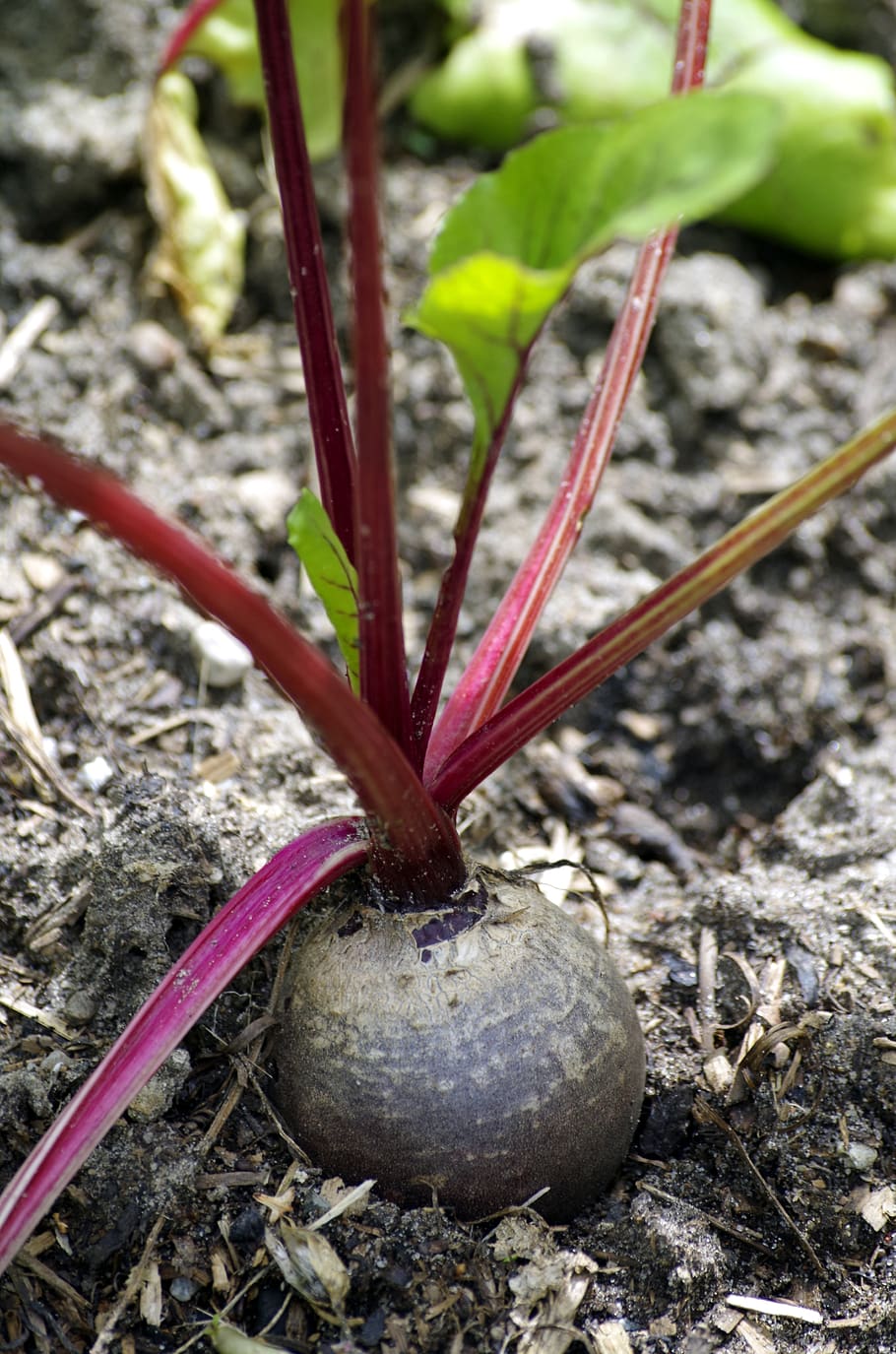
←Previous Page
1 … 14 15 16 17 18 … 62
Next Page→

Start a Blog at WordPress.com.

  • Subscribe Subscribed
    • Elliott Dunstan
    • Join 167 other subscribers
    • Already have a WordPress.com account? Log in now.
    • Elliott Dunstan
    • Subscribe Subscribed
    • Sign up
    • Log in
    • Report this content
    • View site in Reader
    • Manage subscriptions
    • Collapse this bar